Controlled Tree Size
Manage tree dimensions effectively so they remain compatible with your house, fences, and outdoor spaces.
Professional height reduction and canopy containment solutions that protect tree health.
Providing canopy reduction and management across Kennington and greater Bendigo.
When property owners search for tree lopping Kennington, they generally need to reduce the size, height, or spread of an overgrown tree. We deliver these outcomes using professional arboricultural reduction methods.
Kennington’s shallow soils mean trees with top-heavy, unmanaged canopies are vulnerable to wind-throw during Bendigo storms. Proper structural reduction relieves top weight without compromising health.
Manage tree dimensions effectively so they remain compatible with your house, fences, and outdoor spaces.
Avoid the rot and poorly anchored regrowth caused by flush-cut lopping, ensuring your trees remain safe for years.
Your trees retain an attractive, natural canopy profile rather than being left with unsightly stub cuts.
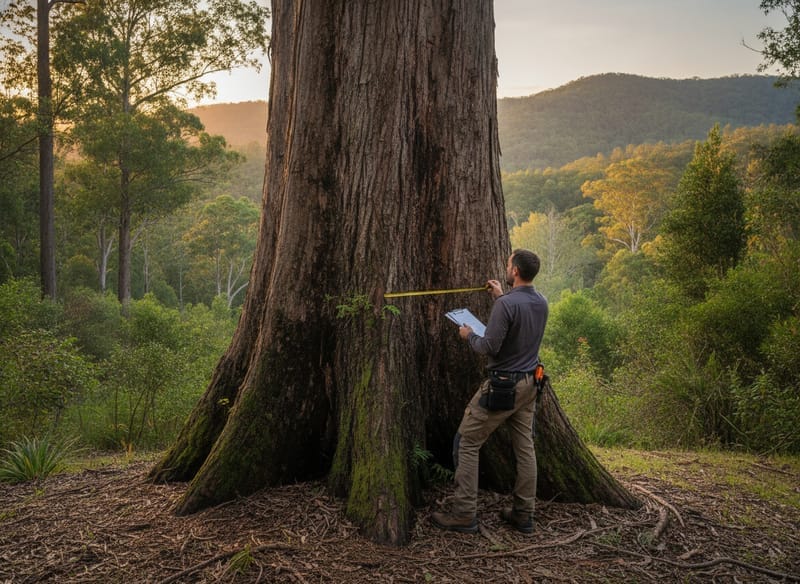
We inspect your overgrown tree and discuss your height and clearance goals.
We recommend selective reduction or dismantling based on tree species, health, and location.
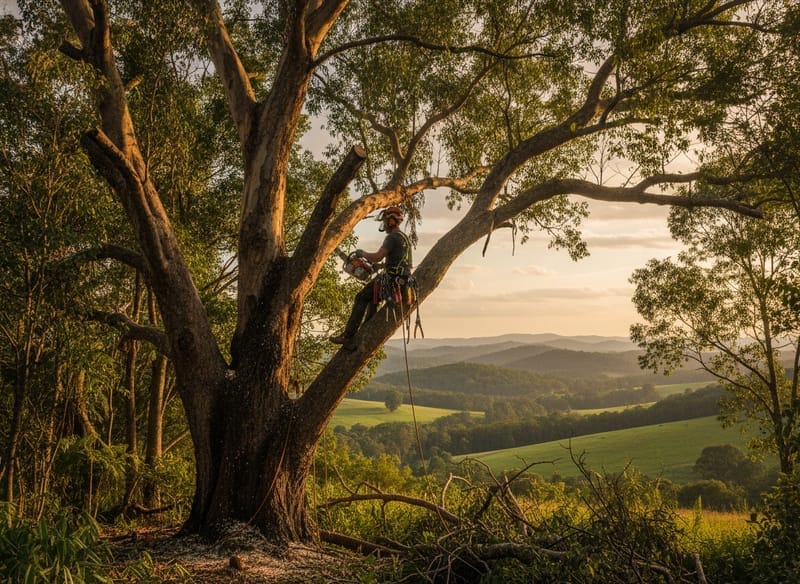
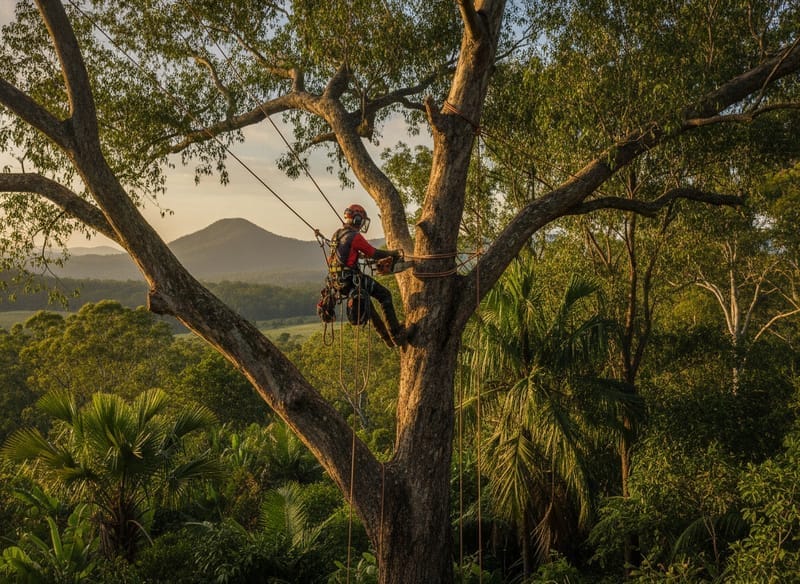
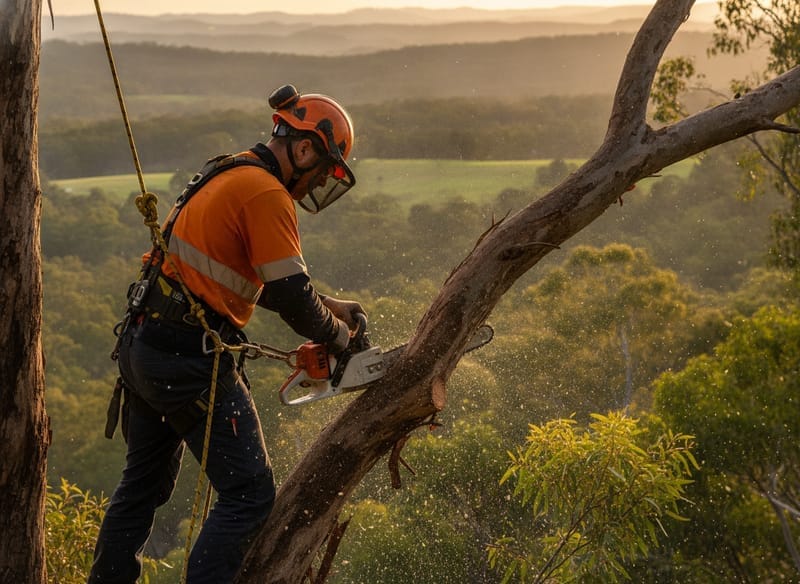
Our qualified climbers carefully cut back lateral limbs to viable growth points using climbing rigging.
All foliage and timber are chipped, processed, and cleared from your property.
When a backyard English Elm or Red Ironbark starts dominating your property, getting the size under control is a priority. If you are looking for professional Tree Lopping Kennington, our team at Bendigo Arborist is here to help. We provide expert canopy management across the suburb and the broader Bendigo region, helping homeowners, acreage property managers, and developers keep their trees safe and appropriately sized.
Kennington features a beautiful mix of established residential blocks and larger vegetated lots. With our region's famously hot, dry summers and unpredictable storm seasons, overgrown canopies can quickly become a serious hazard. Whether it is clearing heavy branches away from your roofline, reducing the wind sail of a shallow-rooted tree, or managing aggressive boundary overhang, our climbers bring the right equipment and local knowledge to every single job.
We do not just indiscriminately hack branches. Our team applies genuine arboricultural science to reduce your tree's footprint without destroying its structural integrity or triggering dangerous, weak regrowth. We manage your canopy so you can enjoy your outdoor space safely.
In the tree industry, traditional "lopping" or "topping" involves aggressively cutting main branches back to bare stubs. It is a common DIY mistake that always causes more problems than it solves. When trees are cut this way, they panic and push out epicormic shoots—weak, fast-growing foliage that is highly prone to snapping off in the next major Bendigo storm. It also leaves massive open wounds that invite decay, drastically shortening the life of the tree. When you ask our team to "lop" a tree, we understand you simply want the tree made smaller or the overhang reduced. We achieve exactly this outcome, but we do it using AS4373-compliant pruning techniques. Instead of leaving raw stumps, our climbers make clean cuts at the branch collar, a process known as target pruning. This approach is incredibly critical for local species like River Red Gums and Spotted Gums, which are already notorious for sudden limb drop on hot, still summer afternoons. Proper, balanced crown reduction minimises this risk. By choosing our qualified arborists, you get the clearance and sunlight you need, while ensuring the tree remains healthy, balanced, and structurally sound for years to come.
When our team assesses a tree that has grown too large for your yard, we apply specific, scientifically backed pruning methods to achieve the reduced size you are looking for. Here is how we manage overgrown trees across the region.
This is the correct arboricultural alternative to topping. We selectively prune branches back to appropriate lateral growth points, reducing the overall height and spread of the canopy. The tree becomes smaller but retains its natural shape, with our climbers typically limiting removal to no more than 25–30% of the live crown.
When low-hanging branches block driveways, footpaths, or obscure your line of sight, we remove the lower limbs to elevate the canopy base. This provides excellent under-canopy clearance for vehicles and pedestrians without impacting the upper structure of the tree.
If a tree is blocking sunlight or acting like a massive sail in the wind, we selectively remove secondary branches from within the canopy. The tree’s exterior size remains similar, but light and air can pass through, significantly reducing the risk of failure during storm season.
Targeted removal of specific branches that are encroaching on buildings, service wires, or crossing property boundaries. We manage the overhang while ensuring the cuts are made at the correct collar points to prevent disease and structural decay.
Our process begins with a comprehensive on-site assessment. We inspect the tree’s health, species, and structure. Importantly in Bendigo, we also assess ground stability and site access. We check for the shallow Ordovician rock profiles or historical mine shafts that are common beneath older suburbs before we decide where to position heavy machinery like our Elevating Work Platforms (EWPs).
Once we agree on a strategy to reduce your tree, we provide a detailed, fixed-price quote explaining exactly what canopy work will be completed. On the day of the job, our climbers access the tree using either advanced double-rope techniques or tracked spider lifts. We carefully dismantle the encroaching limbs, using heavy-duty rigging systems to lower heavy wood safely to the ground, well clear of your roof, fences, or garden beds.
Finally, our ground crew processes all the removed branches through our high-capacity wood chippers. We pack up our trucks, rake the site clean, and leave your property looking immaculate. If you wish, we can leave the fresh mulch behind for your garden, or we can cart it all away for green recycling.
Every cut our team makes is guided by AS4373 (Pruning of Amenity Trees). We absolutely do not perform destructive topping; we practice strict target pruning to keep your property safe and your trees resilient to local weather conditions.
Our hands-on crew holds AQF Level 3 in Arboriculture, ensuring safe climbing, chainsaw operation, and complex lowering techniques. For sites requiring council applications or tree protection plans under AS4970, our consulting arborists hold AQF Level 5 qualifications. We operate with full public liability insurance and WorkCover, meaning our staff, our trucks, and your property are entirely protected from the moment we arrive on site.
Tree work in our region requires a deep understanding of the City of Greater Bendigo planning scheme. Under Clause 52.37 Canopy Trees, a permit is required to remove or significantly lop a boundary canopy tree—defined as being over 5m tall, with a 0.5m trunk circumference, sitting within 6m of the front boundary or 4.5m of the rear. Mid-yard trees are often exempt, but specific overlays can override this.
In the bush-block areas near Kennington, such as Spring Gully or Junortoun, Significant Landscape Overlay Schedule 1 (SLO1) mandates permits for native vegetation pruning. Bendigo is also highly unique in its Heritage Overlays, which sometimes name individual trees—like a specific historic Elm or Oak—right on the property title.
Furthermore, because our local trees sit on shallow, stony clay soils, their root plates are easily compromised. Aggressive over-pruning can drastically alter wind dynamics, making these shallow-rooted trees highly prone to uprooting in high winds. Our team understands these local soil and regulatory nuances perfectly.
After we have reduced the size of your tree, it will naturally redirect its energy to seal the pruning wounds. In Bendigo’s hot, dry climate, it is vital to ensure the tree gets adequate water during the following summer months to prevent moisture stress. Deep, infrequent watering around the drip line is much better than light surface sprinkling.
Keep an eye on the canopy over the next growing season. While our AS4373 pruning methods prevent the aggressive, weak epicormic growth caused by bad lopping, you should still monitor the tree for any deadwood that may appear. Call our team back every three to five years for a routine structural assessment and maintenance prune.
Pricing for canopy reduction and lopping alternatives in Kennington is based on tree size, access, and work scope.
We offer upfront, itemised quotes outlining the safest and most cost-effective method to manage your tree.
We provide canopy management and reduction services across Kennington and surrounding areas.
Talk to our qualified arborists about safe canopy reduction and tree management options.
Get a Free Quote