Safe Height Control
Achieve necessary roof, powerline, and sky clearances without turning your tree into a hazard.
Professional height reduction and canopy management alternatives to damaging tree lopping in Eaglehawk.
Providing canopy reduction across Eaglehawk, California Gully, Ironbark, and wider Bendigo.
Homeowners often search for Tree Lopping Eaglehawk when trees outgrow rooflines or block sunlight. We deliver the height and clearance control you need using Australian Standard canopy reduction rather than damaging topping.
In Eaglehawk's dry climate, lopped trees suffer severe sun scald on exposed interior limbs, leading to wood-boring insect infestations and rapid rot in sandstone-rooted eucalypts. Converting lopping requests into controlled AS4373 reductions keeps your property safe while preventing premature tree death.
Achieve necessary roof, powerline, and sky clearances without turning your tree into a hazard.
Avoid repetitive annual lopping cycles by establishing stable, slow-growing branch structures.
Retain cooling shade over your home during scorching Bendigo summer afternoons.
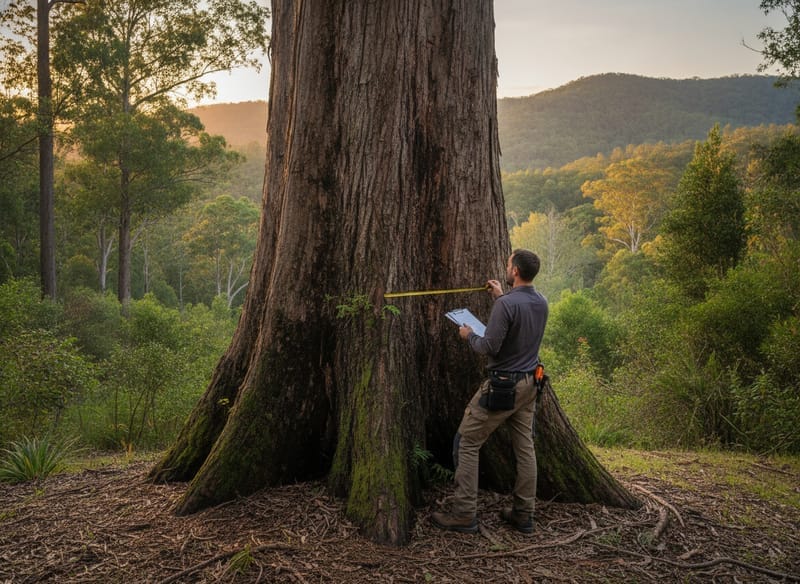
We review why you want the tree reduced (shade, powerline clearance, storm anxiety, or view).
We recommend an AS4373 crown reduction, selective limb removal, or complete tree removal if past lopping has caused severe decay.
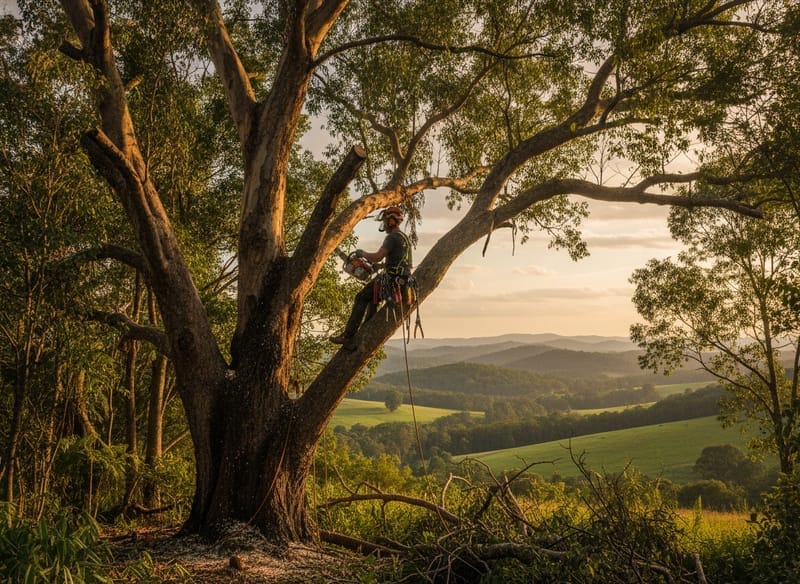
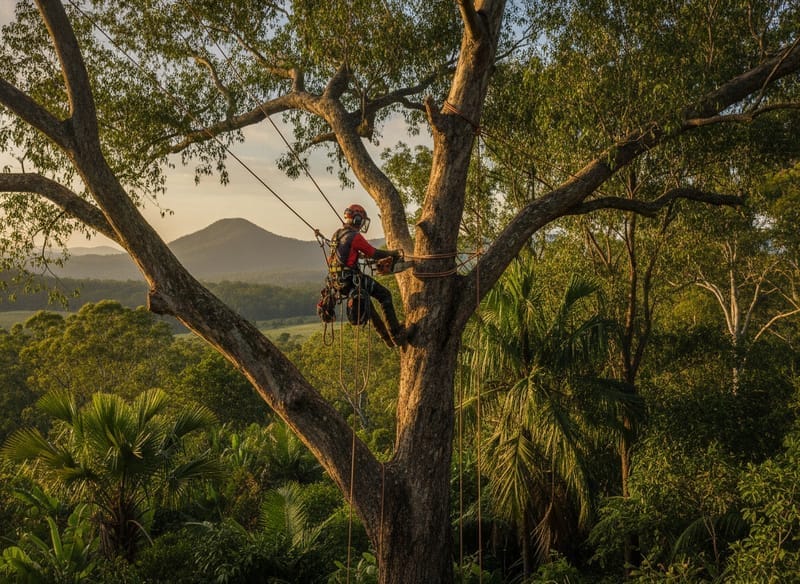
Our climbers reduce outer canopy boughs back to viable lateral branches at least one-third the diameter of the parent stem.
The canopy is sculpted to maintain balance, wind permeability, and natural tree form.
All removed wood is chipped and the yard left spotless.
In the historic streets and acreage blocks of our town, oversized canopies can quickly become a hazard. If you are looking for professional Tree Lopping Eaglehawk, our team is here to manage trees that have simply outgrown their space. Whether it is an imposing Red Ironbark shading out your solar panels or a sprawling English Elm encroaching on your roofline, property owners frequently ask us to make their trees smaller.
While the term "lopping" is common, true arboriculture focuses on strategic reduction that keeps the tree healthy, structurally sound, and aesthetically pleasing. We understand the local terrain, the shallow soils that make top-heavy trees vulnerable in high winds, and the specific growth habits of our native and exotic canopy. Our climbers and crews deliver precision size reduction, clearing sightlines and restoring safety without destroying the health of the tree you value.
When trees in Eaglehawk grow too large, the temptation is often to aggressively "top" or lop the canopy to bring the height down quickly. Unqualified operators and DIY attempts frequently involve indiscriminate heading-back cuts that leave large, ugly stubs. This traditional lopping is highly destructive. It exposes the tree to rapid decay and triggers a stress response where the tree pushes out dense, weakly attached epicormic shoots. Within a couple of years, the tree grows back just as tall but significantly more dangerous, as those new limbs are highly prone to snapping in Bendigo's summer storms. Our team provides a permanent, professional solution. Instead of brutal topping cuts, our arborists use techniques defined under AS4373 to achieve the size reduction you want. We assess the tree's structure and implement target pruning to the branch collar. By using targeted crown reduction, canopy thinning, or strategic weight reduction, we achieve the clearance and height control you need. The result is a naturally shaped, stable tree that requires far less ongoing maintenance and holds up safely against our local weather extremes.
When you ask us to lop or reduce a tree, we use specific, compliant techniques to reduce its size safely. Here is how we deliver the outcome you need.
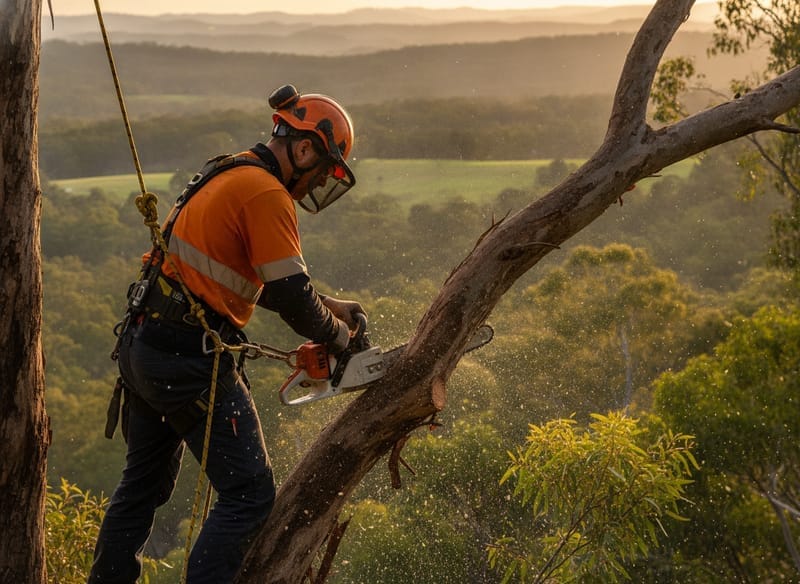
Bringing down the overall height and spread of a tree by cutting leaders and branch terminals back to lateral branches large enough to assume the terminal role. This reduces size while preserving natural shape.
Removing the lower branches to provide clearance for pedestrians, vehicles, or buildings. Essential for mature Box Ironbark or Spotted Gum limbs encroaching on driveways or boundary lines.
Selectively removing secondary branches to reduce canopy density without altering the overall size or shape. This lowers wind resistance and weight on shallow-rooted trees in our tough, stony local soils.
Targeting specific problem limbs, such as those overhanging powerlines, roofs, or neighbouring properties, without indiscriminately hacking the entire canopy.
Fast-response cutting and weight reduction for trees structurally compromised by storm damage, preventing imminent failure during high-wind events.
Managing a massive, overgrown canopy requires a systematic approach to ensure safety and precision. Here is how our team handles size reduction jobs from start to finish.
Every size reduction and canopy management job we undertake is carried out strictly to AS4373 (Pruning of Amenity Trees) standards. We do not practice destructive topping; our qualified AQF Level 3 arborists ensure every cut is placed at the correct branch collar to promote rapid healing and structural stability. Our entire crew operates with full public liability insurance and WorkCover, giving you complete peace of mind when we bring elevated work platforms or rope-access climbers onto your property. From detailed risk assessments to rigorous traffic management on narrow Eaglehawk streets, our safety protocols protect your family, your property, and our workers.
Working on trees in this area requires a deep understanding of both the local environment and the City of Greater Bendigo planning scheme. Eaglehawk sits on shallow, stony ground with very low permeability, meaning large top-heavy trees like Red Ironbark and Grey Box are prone to windthrow. Reducing their sail area through selective thinning is often a critical safety measure.
When planning reductions, we also navigate local regulations. Under Clause 52.37, lopping a canopy tree over 5 metres tall near a boundary may require a permit, though trees in the middle of a standard residential yard are often exempt. More importantly, many properties fall under Significant Landscape Overlay Schedule 1 (SLO1) which protects native vegetation, or have individual trees listed under a Heritage Overlay. Our arborists can help identify whether your overgrown English Elm or Red Box requires a planning permit before we commence any significant size reduction.
After our team completes a structural reduction, your tree will need minimal immediate care, but keeping an eye on its recovery is important. The pruning cuts will seal naturally; do not apply paints or sealants, as these trap moisture and encourage decay. Because Eaglehawk experiences exceptionally hot, dry summers, we recommend deeply watering the structural root zone during extended dry spells to help the tree recover its energy reserves. Monitor the canopy over the next twelve months. If you notice any unusual weeping from the cuts or dense clusters of new shoots, contact us so our arborists can assess its progress.
Canopy reduction and lopping-alternative pruning are priced based on the work scope, tree scale, and current branch condition.
We explain all options clearly and provide upfront, fixed pricing for your Eaglehawk property.
We manage canopy reduction and arborist pruning across Eaglehawk and neighboring areas.
Contact our qualified arborists for safe height reduction and canopy management across Eaglehawk.
Get a Free Assessment